
When it comes to cooling your home efficiently, understanding your split air conditioner electricity consumption is key to managing your energy costs effectively, especially during those hot Hemet, CA summers. This comprehensive guide will delve into the various aspects of how split air conditioners use electricity and what you can do to optimize their efficiency without compromising on comfort.
What Influences Split Air Conditioner Electricity Consumption?
Key Factors Affecting Efficiency
The electricity consumption of split air conditioners can be influenced by several key factors including unit size, age, maintenance, and the thermostat settings. Choosing the right size for your space is crucial. An undersized unit will run continuously, trying to cool a space beyond its capacity, while an oversized unit will cycle on and off too frequently, causing wear and tear and inefficient energy use.
Furthermore, older units typically consume more electricity compared to newer models that are designed with energy efficiency in mind. Regular maintenance also plays a pivotal role in ensuring your air conditioner runs efficiently. Simple actions like cleaning or replacing filters regularly can significantly reduce electricity consumption.
Thermostat Settings
The thermostat setting is another critical factor. Setting your thermostat to a comfortable but higher temperature in summer can reduce the amount of time your air conditioner operates, thereby saving energy. A programmable thermostat can make these adjustments automatically, ensuring optimal comfort and efficiency.
How To Measure Your Split Air Conditioner’s Electricity Consumption
To manage something effectively, you first need to measure it. Knowing exactly how much electricity your split air conditioner consumes can help you make informed decisions about its use and maintenance.
Using Energy Monitors
One effective tool is an energy monitor, which can track the energy usage of your air conditioner in real time. These devices provide you with a clear picture of how much electricity is being consumed and when it is being used most.
Professional Energy Assessments
Alternatively, consider a professional energy assessment. An expert can analyze your air conditioner’s performance and your home’s overall energy usage, offering tailored advice on how to reduce consumption and improve efficiency.
Optimizing Split Air Conditioner Electricity Consumption
Regular Maintenance
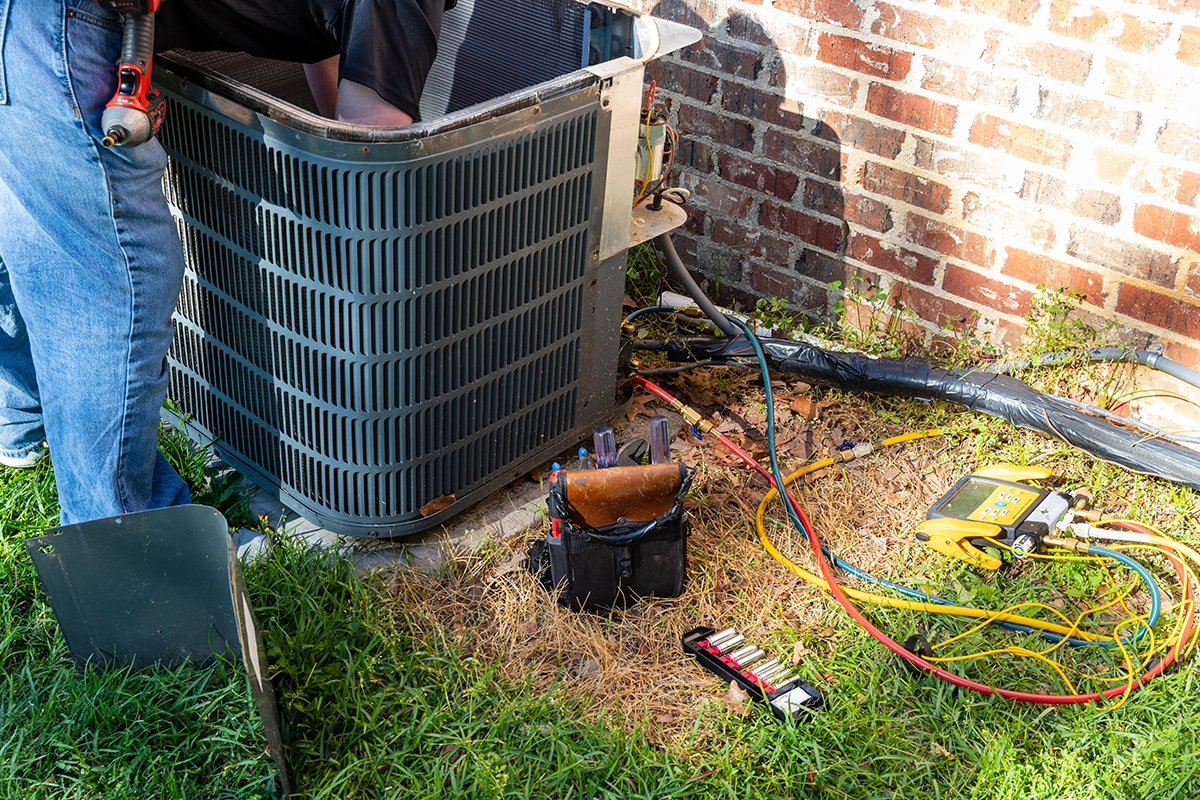
Ensuring your air conditioner is serviced regularly is one of the best ways to optimize its electricity consumption. This includes cleaning air filters, checking for leaks in the seals, and ensuring the refrigerant level is adequate.
Upgrading Your Unit
If your air conditioner is old, it might be time to consider an upgrade. New models are far more energy-efficient due to advances in technology and stricter energy standards. Look for units with a high SEER (Seasonal Energy Efficiency Ratio) rating.
Smart Thermostats
Installing a smart thermostat can also help reduce your split air conditioner electricity consumption. These devices allow for more precise control over your cooling, adapting to your schedule and preferences without unnecessary waste.
Cost-Effective Cooling Strategies: Split Air Conditioner Electricity Consumption Facts
Aside from optimizing your air conditioner, there are other ways to keep your home cool and reduce the need for constant air conditioning.
Improving Home Insulation
Enhancing your home’s insulation keeps the cool air inside and the hot air out. Inspect your windows, doors, and walls for leaks and consider double-glazing windows or adding weather-stripping.
Using Fans
Fans can be effective in circulating air around your home, making it feel cooler without the heavy electricity use associated with air conditioning.
Landscaping for Shade
Planting trees strategically around your home can provide natural shade and reduce the temperature indoors, easing the burden on your air conditioner.
The Future of Air Conditioning and Energy Consumption
Looking ahead, the focus on reducing split air conditioner electricity consumption is expected to intensify. This is due to rising energy costs and growing environmental concerns. Innovations in HVAC technology, such as solar-powered units and more efficient refrigerants, are on the horizon.
Summary: Split Air Conditioner Electricity Consumption Facts
At Good Hope Air Conditioning & Heating, we understand the importance of managing split air conditioner electricity consumption. It’s essential not only for cost savings but also for environmental sustainability. By taking proactive steps to measure, manage, and reduce the energy use of your cooling systems, you can enjoy a comfortable and eco-friendly home in Hemet, CA. Remember, each small step towards more efficient energy use is a giant leap for environmental care. Trust Good Hope Air Conditioning & Heating to help you optimize your air conditioning system for a sustainable future. For more information or to schedule a consultation, contact us today!
With the right approach and technology, you can significantly cut down on your energy bills and maintain a cool, comfortable home during the warmest months.